
A business can have a good product, a well-designed website and an active social media account without reaching the right people. The challenge is bringing these activities together so they support the same business goals. This is where digital marketing becomes useful.
Digital marketing helps businesses connect with audiences through search engines, social media, online advertising, email and other digital channels. Each channel serves a different purpose, and the best results usually come from choosing the right combination rather than trying to be active everywhere.
For businesses, the real value lies in having a clear plan. Understanding the audience, creating relevant content and reviewing performance can make marketing activities more focused and easier to improve.
What Is Digital Marketing?
Digital marketing is the promotion of a business, product or service through online channels and digital technologies. It includes activities such as search engine optimization (SEO), social media marketing, paid advertising, content marketing and email campaigns.
Unlike traditional marketing methods that may rely on print, television or outdoor advertising, digital marketing gives businesses additional ways to reach specific audiences online. For example, a company can improve its website to appear in relevant search results, share useful content on social media or run an advertising campaign aimed at people with particular interests or needs.
These channels can also provide information about how people interact with a campaign. Businesses may review website visits, clicks, enquiries and other relevant actions to understand what is working. However, collecting data alone does not improve results. The information needs to be interpreted and used to make better decisions.
Digital marketing is therefore more than posting content or running advertisements. It involves understanding the audience, selecting suitable channels, communicating a clear message and refining activities according to business objectives.

How Does Digital Marketing Help Businesses Grow?
Digital marketing can support business growth in several ways, depending on the audience, industry and goals.
Improving online visibility: A useful website, relevant search content and a consistent digital presence can help potential customers discover a business when they are looking for information, products or services.
Reaching relevant audiences: Different platforms attract different types of users. Search marketing can reach people actively looking for a solution, while social media and paid campaigns can introduce a brand to audiences who may not know it yet.
Building trust and recognition: Consistent messaging, useful content, clear service information and professional creative work help people understand what a business offers. Trust develops over time through relevant information and a reliable customer experience, not through promotion alone.
Generating enquiries and sales opportunities: Digital channels can guide interested people towards meaningful actions, such as requesting a quotation, filling in a contact form, making a purchase or booking a consultation.
Supporting informed decisions: Website and campaign data can reveal which pages attract visitors, which messages receive attention and where potential customers leave the process. These insights help businesses identify areas for improvement.
Results are not automatic. They depend on factors such as competition, the quality of the offer, the customer journey, available resources and how consistently the strategy is implemented.
Which Digital Marketing Channels Should Businesses Use?
There is no single channel that suits every business. The choice depends on what the business wants to achieve, how its audience searches for information and the resources available for marketing.
Search Engine Optimization (SEO)
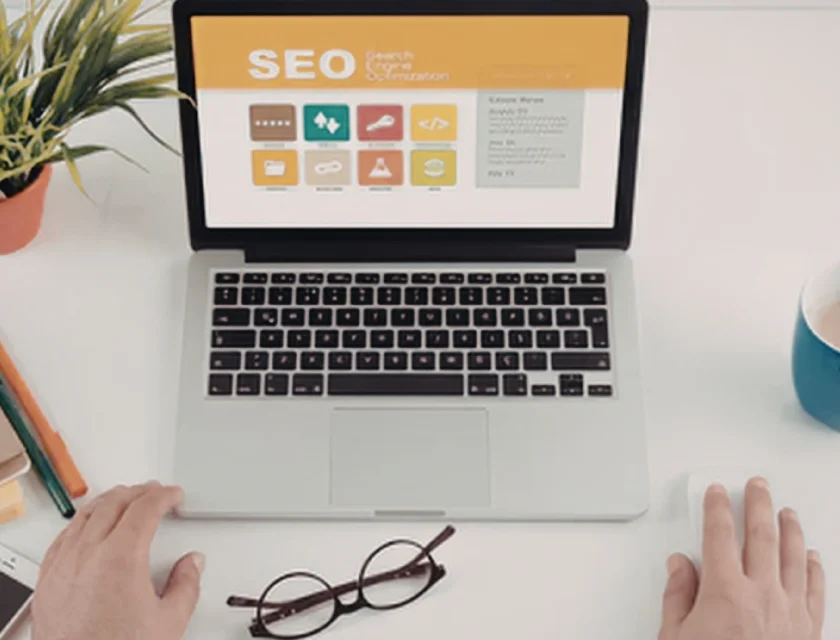
Search engine optimization improves a website’s ability to appear in relevant organic search results. It can involve researching search terms, improving page content, organizing website structure, addressing technical issues and making pages easier for visitors and search engines to understand.
For example, a service provider may create a useful page explaining a service, answer common customer questions and ensure the page clearly communicates its offering. These improvements can help the page serve people who are actively searching for related information.
SEO is a long-term activity rather than a quick fix. Rankings and traffic can change with competition, search demand, website quality and other factors. Businesses should focus on useful content, sound technical foundations and a website experience that helps visitors find what they need.
Social Media Marketing
Social media marketing helps businesses communicate with audiences through relevant platforms. It may include content planning, creative design, short-form videos, community engagement, platform management and promotional campaigns.
A business might use social media to introduce a new service, share project updates, explain common customer problems or show how its work is carried out. The format and message should suit the platform and the people using it.
Posting frequently is not a strategy by itself. Content needs a purpose, whether that is building awareness, encouraging conversation, answering questions or directing interested people to a website. A consistent brand voice and realistic publishing schedule are usually more useful than posting without a clear plan.
Paid Advertising
Paid advertising allows businesses to promote products or services through placements such as search ads and social media ads. Campaigns can be designed around specific audiences, locations, interests or search intent, depending on the platform’s targeting options.
For instance, a business looking for enquiries may direct an advertisement to a relevant service page with a clear call to action. The page should answer the questions raised by the advertisement and make the next step easy to understand.
Paid campaigns can provide performance data relatively quickly, but spending money does not guarantee conversions. Results depend on targeting, creative quality, offer relevance, landing-page experience and campaign management. Businesses should set clear objectives and review performance before increasing budgets.

Content Marketing
Content marketing involves creating useful material that helps an audience understand a topic, solve a problem or make a decision. Common formats include blog articles, service pages, guides, case studies, videos and social media content.
A business offering professional services, for example, could publish an article explaining how to compare service options or prepare for a project. This type of content can answer questions before a potential customer makes contact.
Good content should be accurate, relevant and written for a specific audience. It should not exist simply to fill a website with pages or repeat search terms. When content answers genuine questions and connects naturally to relevant services, it can support both audience trust and organic visibility.
Email Marketing
Email marketing allows businesses to communicate directly with people who have chosen to receive their messages. It can be used for newsletters, useful updates, product announcements, follow-up communication and customer retention.
The value of email depends on relevance. A short update that addresses a subscriber’s interests may be more useful than frequent messages filled with general promotions. Businesses should also respect consent, provide a clear unsubscribe option and follow applicable privacy and marketing requirements.
Email can support other channels as well. Someone who discovers a business through a blog or campaign may later receive a relevant update, provided they have agreed to receive it. This helps maintain communication beyond the first visit.

How to Build an Effective Digital Marketing Strategy
An effective strategy starts with business priorities, not with a list of platforms to join. The following steps help bring marketing activities into a workable plan.
Define Business Goals
Begin by deciding what marketing needs to achieve. A business may want to increase relevant website traffic, generate qualified enquiries, promote a new service or improve repeat purchases. These goals influence the channels, content and resources required.
Goals should be specific enough to guide decisions. Instead of simply aiming to improve online presence, a business could focus on increasing relevant visits to a service page or generating more qualified enquiries over an agreed period. The target should reflect its current position and available resources.
Understand the Target Audience
Identify who the business wants to reach, what those people need and what questions they ask before making a decision. Customer conversations, sales enquiries, website search data and existing audience feedback can help reveal these patterns.
Audience research also helps shape the message. People comparing service providers may need information about process, expertise and deliverables, while someone discovering a brand for the first time may need a clearer introduction to what it offers.
Choose the Right Channels
Select channels according to audience behaviour and campaign objectives. SEO may be useful when people actively search for a solution, while social media can support ongoing communication and brand discovery. Paid advertising may help test an offer or reach a defined audience, and email can support relationships with existing subscribers.
Businesses do not need to invest equally in every channel. Starting with a manageable combination makes it easier to maintain quality, assess results and decide where additional effort is justified.
Plan Content and Campaigns
Create a practical plan that connects each activity to a purpose. This might include service-page improvements, blog articles, social media posts, email updates or a paid campaign. Keep the message consistent while adapting the format to each channel.
A content calendar can help organize topics, publishing dates, responsibilities and campaign deadlines. It should remain flexible enough to accommodate customer feedback, seasonal opportunities and changes in business priorities.
Track Results and Improve Performance
Review performance against the goals established at the beginning. Depending on the campaign, useful indicators may include relevant website visits, search impressions, enquiries, conversion rates, advertising costs or email engagement.
The next step is to understand what the numbers mean. If a page attracts visitors but generates few enquiries, the offer, content or contact process may need attention. If an advertisement receives clicks but few useful actions, its targeting or landing page may require adjustment.
Regular review turns digital marketing into an ongoing process of learning and improvement rather than a series of disconnected campaigns.
Frequently Asked Questions
Digital marketing can include SEO, social media marketing, paid advertising, content marketing, email marketing and performance analysis. The appropriate mix depends on the business's objectives and audience.
Yes. Small businesses can begin with a focused website, useful content and a small number of relevant channels. Prioritizing activities according to budget and customer needs is more practical than trying to maintain a presence everywhere.
The timeframe varies by channel and objective. Paid campaigns may provide early performance data, while SEO often requires sustained work before meaningful changes become visible. Outcomes also depend on competition, budget, content quality and the offer itself.
A strategy connects marketing activities to business goals. It helps determine which audiences to reach, which channels to prioritize, what content to create and how to evaluate progress.
Digital Marketing Services by Creative Plus
Digital marketing works best when strategy, creative communication and execution are planned together. Businesses need more than individual posts or isolated campaigns; they need activities that reflect their goals and speak consistently to their intended audience.
Creative Plus provides digital marketing services that include digital strategy, search engine optimization, social media marketing, paid advertising, content and creative marketing, and performance analysis. The appropriate approach depends on the business, its existing online presence and the outcomes it wants to pursue.
From improving website visibility to coordinating content and campaign activity, each element should have a clear role within the wider plan. Businesses can explore the digital marketing services offered by Creative Plus to understand the available support and discuss their requirements.
Conclusion
Digital marketing brings together different ways of reaching, informing and engaging people online. The starting point is understanding the business and its audience, setting realistic goals and choosing channels that support those priorities. Reviewing performance then helps identify what deserves more attention and what needs to change.
Rather than trying to do everything at once, businesses can build a more effective digital presence by focusing on useful communication, consistent execution and decisions based on meaningful results.