
A good product or service is only part of building a strong business. People also need to understand what a company offers, what makes it different, and why they should pay attention to it. Audio-visual production helps businesses communicate these ideas through a combination of visuals, sound, storytelling, and creative direction.
From corporate videos and promotional campaigns to event coverage, product videos, photography, and branded content, businesses use audio-visual production for different communication and marketing needs. The process is not simply about recording footage with a professional camera. It involves developing the right concept, planning the production, capturing quality visuals and sound, and editing everything into content that serves a clear purpose.
What Is Audio & Visual Production?
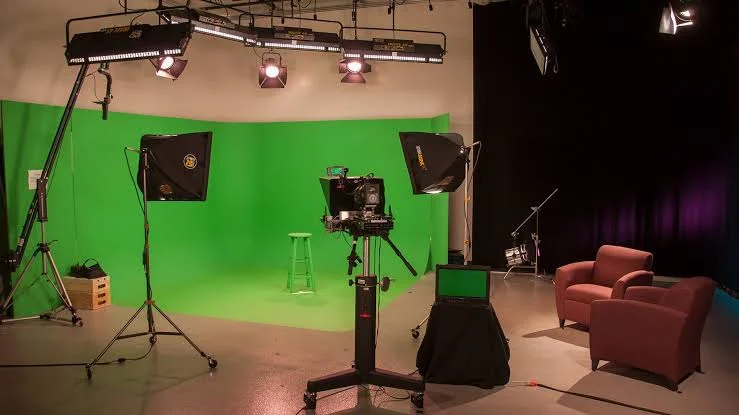
Audio-visual production is the process of creating content that combines visual and audio elements to communicate a message, tell a story, promote a business, or present information.
Depending on the project, it can include concept development, scriptwriting, storyboarding, photography, videography, audio recording, voiceovers, motion graphics, sound design, video editing, colour correction, and other post-production services.
The process usually begins before any camera is switched on. The production team first needs to understand the purpose of the project, the intended audience, the main message, and where the final content will be used. These decisions influence everything from the creative concept and filming style to the final format.
For example, a company profile video may introduce a business, its team, services, and achievements. A promotional video may focus on a particular product or service, while event videography can capture an important occasion and turn it into content that remains useful after the event.
In simple terms, audio-visual production turns a business idea or message into something an audience can see and hear. The objective is not simply to make attractive content, but to make content that communicates something clearly.
Why Is Audio &Visual Production Important for Businesses?
Businesses communicate with their audiences through websites, social media, advertisements, presentations, events, and many other channels. Audio-visual content gives them another way to explain ideas without depending entirely on written information.
Some information can be understood more easily when it is demonstrated visually. A business can show how a product works, introduce its team, demonstrate a service, document an event, or explain its story through a combination of video, photography, narration, music, and sound.
Audio-visual production can also support brand recognition. The way a business uses colour, imagery, typography, music, voice, editing, and storytelling can contribute to how its brand is experienced. When these elements are used consistently, different pieces of content can feel connected to the same business.
Another advantage is flexibility. One well-planned production can often provide different pieces of content for a website, social media, presentations, advertising, or other communication channels.
The key is to decide the purpose before production begins. A visually impressive video is less useful if it does not communicate the right message or reach the intended audience.
What Does Audio & Visual Production Include?
Audio-visual production can cover different services depending on the size, purpose, and requirements of a project. Some projects may need only photography and editing, while others may involve a complete production from concept development to final delivery.
1. Concept Development
Every production needs a clear idea behind it. Concept development determines what the content should communicate, who it is intended for, and how the message can be presented.
A clear concept gives the production team a direction before scripting, filming, and editing begin. It also helps prevent unnecessary creative elements from taking attention away from the main message.
2. Scriptwriting and Storyboarding
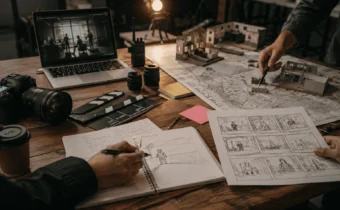
A script provides structure for dialogue, narration, scenes, and key messages. It can be particularly important for corporate videos, advertisements, product videos, and other productions where specific information needs to be communicated.
Storyboarding takes the idea a step further by helping the team visualize how individual scenes may look. This can make filming more organized and reduce the chances of overlooking important shots.
3. Production Planning
Production planning covers the practical side of the project. Locations, schedules, talent, crew, equipment, sets, props, and other requirements may need to be arranged before filming.
Good preparation can make production more efficient and help prevent avoidable delays or missing footage.
4. Video Production
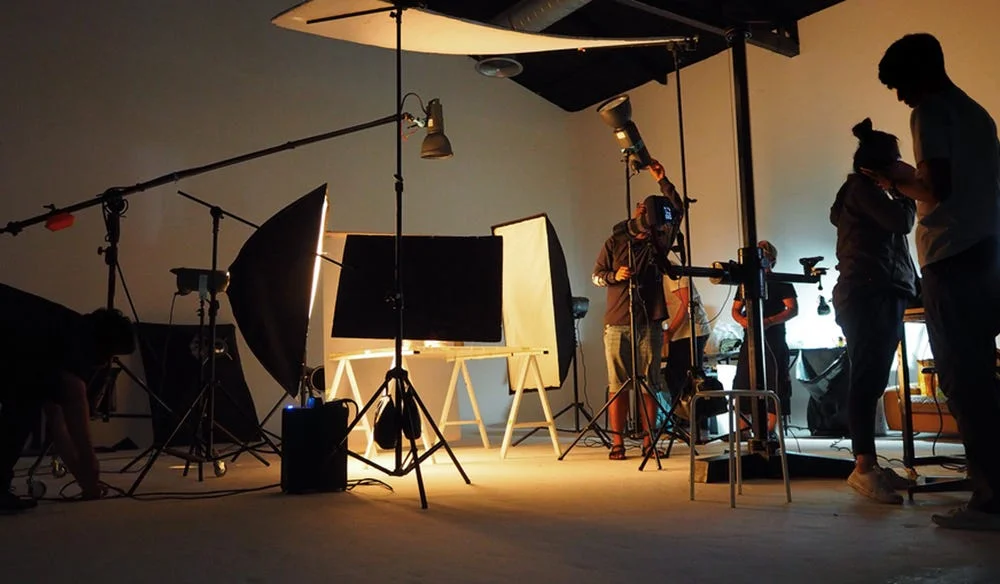
Video production is the stage where planned ideas are captured on camera. It can involve directing, camera operation, lighting, cinematography, and on-set coordination.
The goal is to capture footage that supports the planned story and gives the editing team enough material to create the final production.
5. Audio Production
Sound is just as important as visuals. Audio production may involve dialogue recording, voiceovers, music, sound effects, sound design, and audio mixing.
Clear audio makes dialogue easier to understand and can also influence the mood and overall feel of the content.

6. Post-Production
Post-production brings the captured material together. It may include video editing, colour correction, motion graphics, visual effects, sound mixing, subtitles, voiceovers, and final formatting.
This is where individual pieces of footage and audio become a complete piece of content.
Types of Audio-Visual Production for Businesses
Post-production brings the captured material together. It may include video editing, colour correction, motion graphics, visual effects, sound mixing, subtitles, voiceovers, and final formatting.
This is where individual pieces of footage and audio become a complete piece of content.
Corporate Videos
Corporate videos can introduce a company, explain its services, present its team, highlight achievements, or communicate its story.
They can be used on business websites, in presentations, recruitment campaigns, internal communication, and other corporate settings. This is where individual pieces of footage and audio become a complete piece of content.
Commercial and Promotional Videos
Commercial and promotional videos are created to draw attention to a product, service, campaign, or offer.
A successful promotional production needs more than attractive visuals. The message, audience, brand positioning, and intended action should all be considered when developing the concept.
Product Videos
Product videos can demonstrate features, explain how a product works, show it in use, or communicate its benefits.
For businesses with products that are difficult to explain through text alone, video can provide a practical way to demonstrate the product visually.
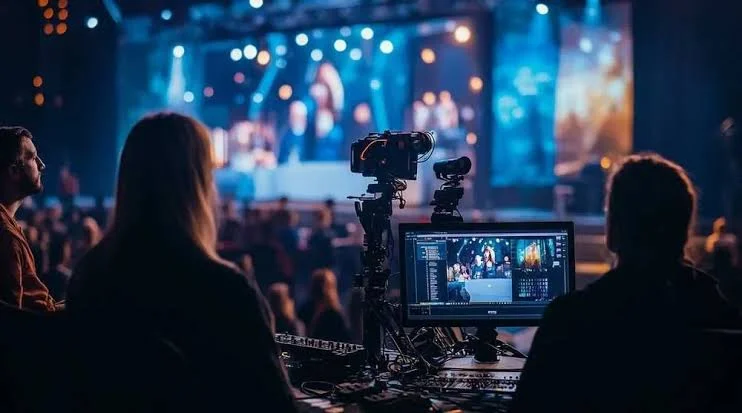
Event and Conference Coverage
Events happen at a specific time, but professional photography and videography can extend their value beyond the event itself.
Conferences, product launches, corporate gatherings, exhibitions, and other events can be turned into highlight videos, photographs, social media content, recap videos, or future promotional material.
How Does the Audio-Visual Production Process Work?
While every project is different, a professional audio-visual production usually follows a series of stages.
1. Define the Objective
The first question should be: What does the production need to achieve?
The objective may be to introduce a business, promote a product, explain a service, document an event, support a campaign, or strengthen brand communication.
A clear objective keeps the creative process focused.
2. Develop the Concept
Once the objective is established, the production team develops the creative direction. This may include the storyline, message, tone, visual style, format, and approach.
The concept should connect the business objective with the needs and expectations of the intended audience.
3. Plan the Production
Pre-production involves organizing the practical details. Scripts, storyboards, locations, schedules, talent, crew, equipment, props, and other requirements are prepared at this stage. The better the preparation, the easier it is to manage the production itself.
The concept should connect the business objective with the needs and expectations of the intended audience.
4. Film and Record
During production, the team captures the required footage, photographs, dialogue, interviews, and other audio elements.
Lighting, camera work, direction, sound, and coordination all contribute to the quality of the material captured.
5. Edit and Enhance
During production, the team captures the required footage, photographs, dialogue, interviews, and other audio elements.
Lighting, camera work, direction, sound, and coordination all contribute to the quality of the material captured.

6. Prepare for Distribution
The final content should be prepared according to where it will be published. A website video may require a different format from a short social media clip or presentation.
Considering these requirements during planning can make it easier to create content that can be adapted for multiple channels.
Frequently Asked Questions
Audio-visual production is the creation of content that combines visual and audio elements to communicate a message, promote a business, tell a story, or present information.
Video production mainly focuses on creating video content, while audio-visual production can cover a broader range of services involving both sound and visuals. These may include photography, audio production, video, voiceovers, motion graphics, editing, and related creative services.
Almost any business or organization can use audio-visual content for communication or marketing. Common applications include corporate communication, advertising, product promotion, events, social media, recruitment, training, and brand storytelling.
Yes. A production can often be adapted into different formats and shorter versions for websites, social media, advertising, presentations, and other channels. Planning these requirements before filming makes adaptation easier.
Looking for Professional Audio-Visual Production?
Effective audio-visual content starts with the message, not the camera.
A business may need a corporate video, promotional campaign, product video, event coverage, photography, or a complete audio-visual production. The right approach depends on the objective, audience, brand, and platforms where the content will be used.
Creative Plus brings together concept development, production, photography, videography, audio, and post-production to create content around specific business communication needs.
Conclusion
Audio-visual production service gives businesses a practical way to communicate through visuals, sound, and storytelling. From concept development and pre-production to filming, editing, and final delivery, each stage contributes to the quality and usefulness of the finished content.
The most effective production is not necessarily the one with the biggest budget or the most complicated visual effects. It is the one that understands what the business needs to communicate and presents that message in a clear and appropriate way.